

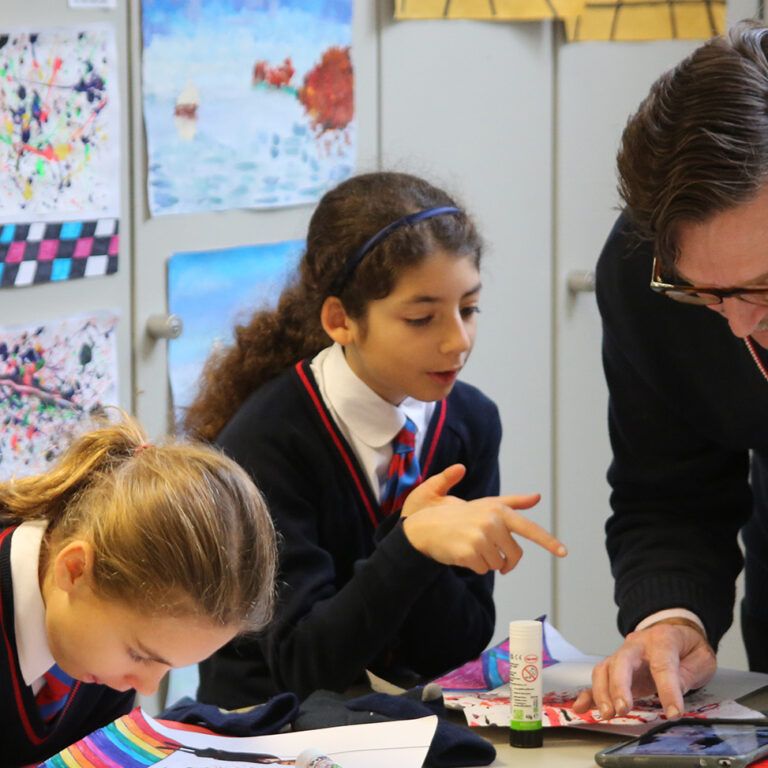
Pastoral care in school refers to the support a school provides for a pupil’s emotional, social, and personal wellbeing, alongside their academic education. At Orchard House, this includes wellbeing questionnaires, individual Pupil Pastoral Plans, buddy and mentoring systems, and close, trusting relationships between staff and pupils.
Pastoral Care Comes First
Children blossom when they feel secure, happy, and valued. That’s why pastoral care sits at the heart of everything we do at Orchard House School. We place huge store on pastoral support in school to ensure every pupil gains the confidence to achieve their best, both academically and personally.
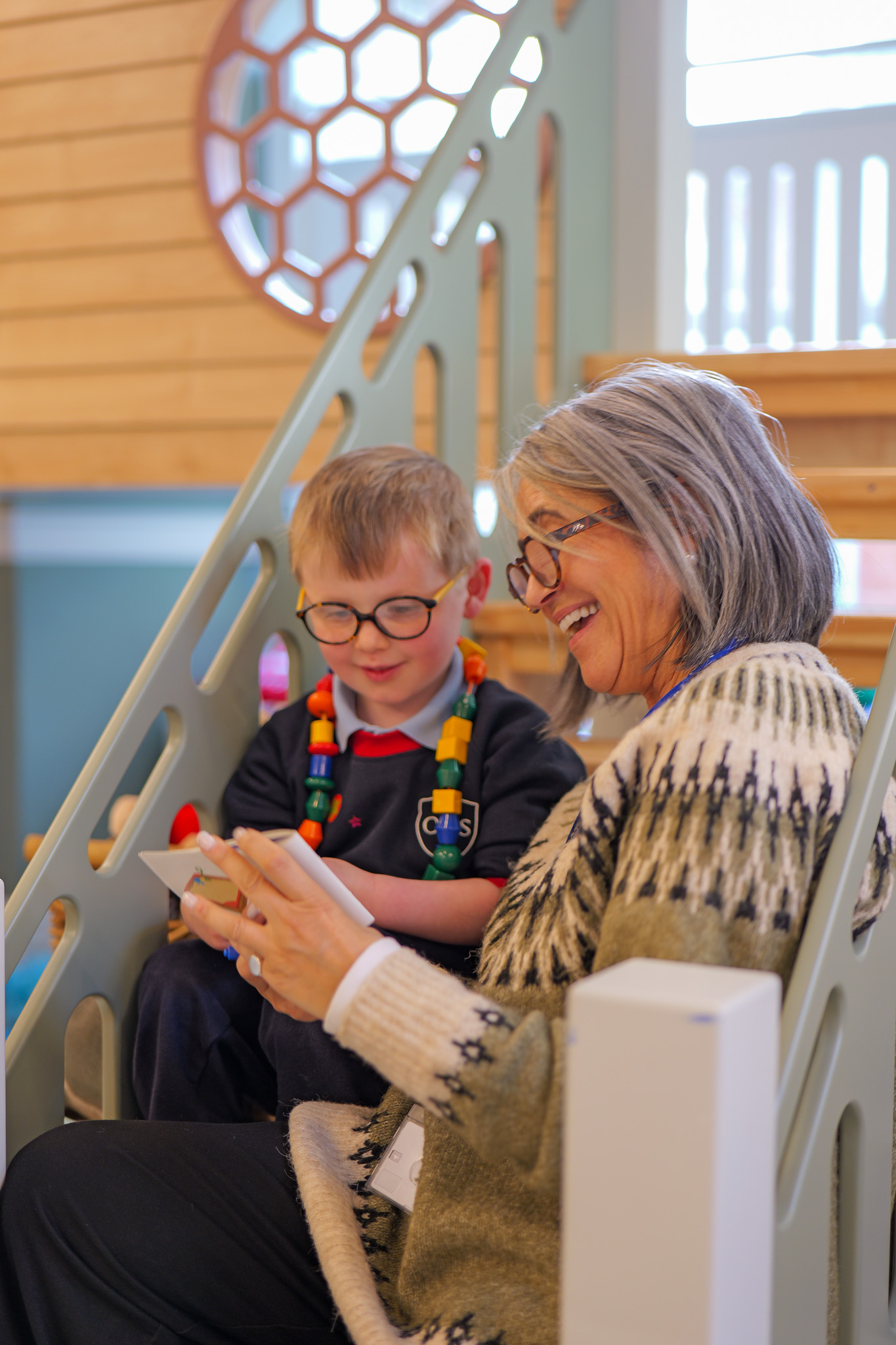
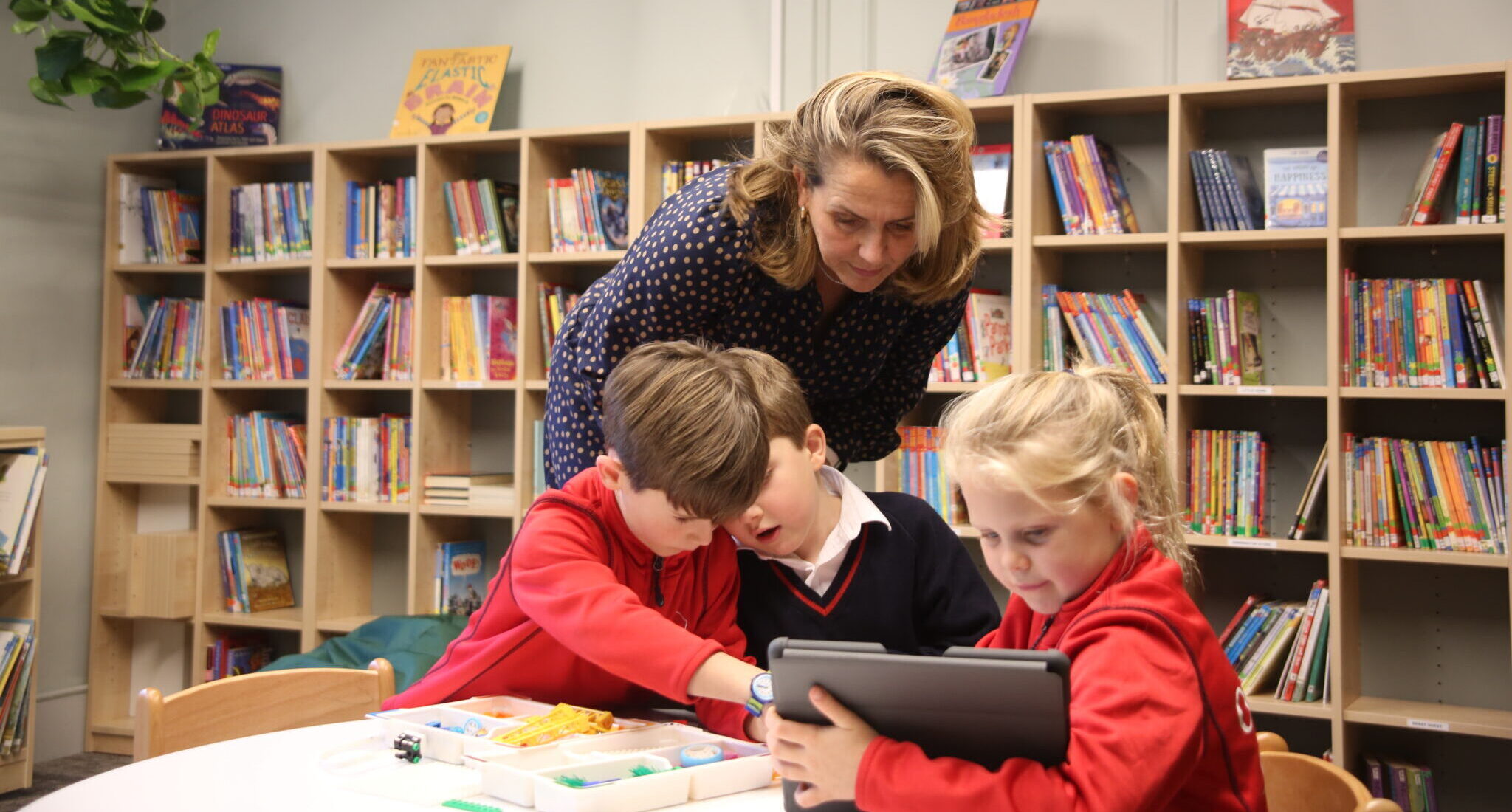
No child at Orchard House has any doubt that a teacher will lend a safe, sympathetic ear to their worries. Strong, trusting relationships between staff and pupils mean children feel genuinely supported – and confident children are children who thrive.

Relationships between staff and pupils are supportive and trusting, and consequently pupils are confident.
Building character, Nurturing Self
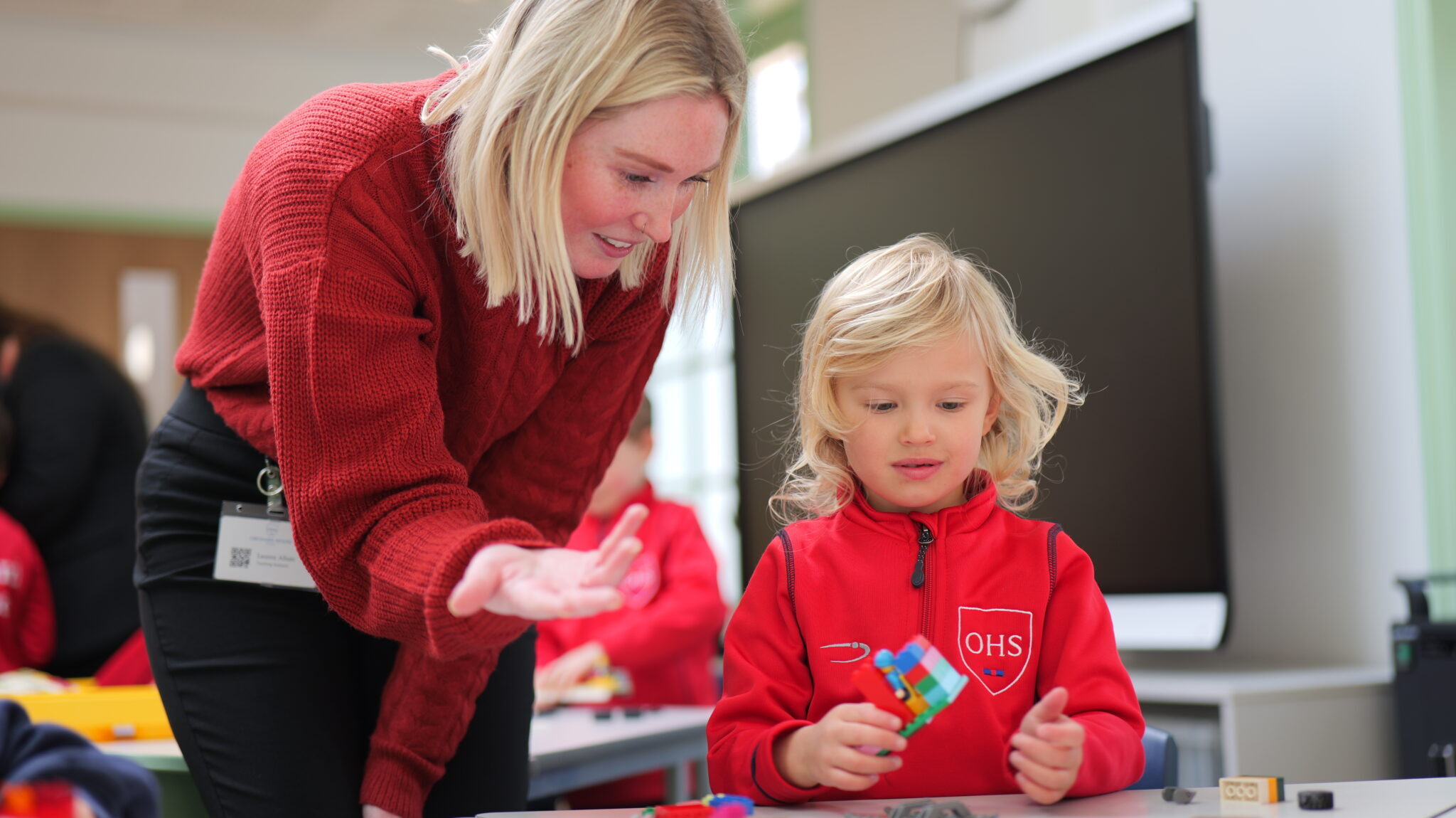
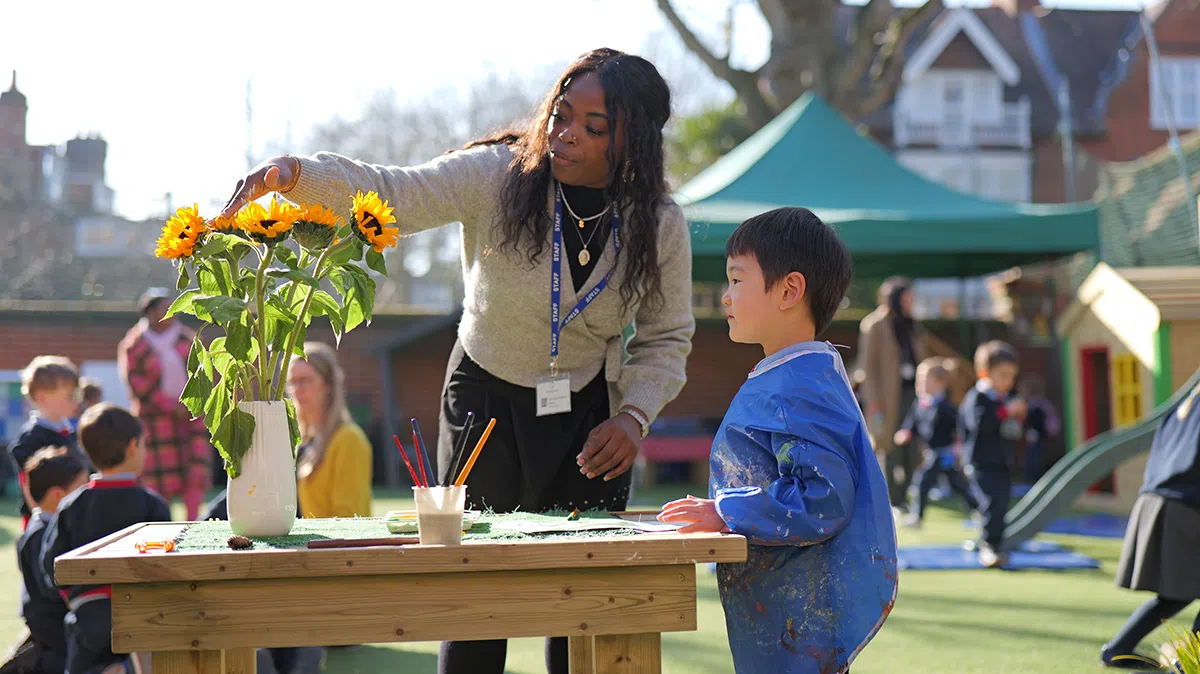
Some children have the good fortune to be privately educated at schools with the drive, experience, and resources to teach children to think critically and for themselves. At Orchard House School, children learn their personal choices can make a real difference, and their opinion matters.
Equally importantly, they learn to respect the opinions of others. They learn the value of endeavour and of staying power, of developing social skills, and of forming respectful relationships. Why do so many hands fly into the air when a teacher asks a question at Orchard House School? Our children feel confident and valued, so they are not worried about making mistakes and are willing to ‘have a go’.
This eagerness to be involved and to make a contribution is one of the most valuable life skills we nurture in our pupils.
The House System: Belonging and Teamwork
Orchard House’s six school Houses were chosen by our own pupils. Year 5 researched and presented on inspirational individuals whose values, actions, and achievements they felt reflected the spirit of our school. From these presentations, a shortlist was created and shared with the whole school, and every pupil then voted for the House name they felt best represented their community.
The result is a genuine, whole-school vote that gives pupils real ownership and pride in the House system:
| House | Named After |
| Parks | Rosa Parks |
| Churchill | Winston Churchill |
| Nightingale | Florence Nightingale |
| Mandela | Nelson Mandela |
| Darwin | Charles Darwin |
| Franklin | Benjamin Franklin |
Children earn house points throughout the term, with house captains updating them of the scores weekly during assembly. The winning house is then presented with the house cup at the end of each term by Mrs Adams. House events include football, netball, the Petter Cup (music), and Sports Day.
Independent Thinking, Confidently Expressed
At a school with the drive, experience, and resources to teach children to think critically and for themselves, pupils learn that their personal choices can make a real difference – and that their opinion matters. Just as importantly, they learn to respect the opinions of others.
Through this, children develop the value of endeavour and staying power, alongside social skills and respectful relationships – the building blocks of confident, considerate young people.
Frequently Asked Questions
What is pastoral care in school?
How does Orchard House School support pupil wellbeing?
Every pupil completes a termly wellbeing questionnaire, which feeds into a personal Pupil Pastoral Plan. This allows teachers to monitor each child’s happiness and address any private worries proactively, rather than waiting for issues to escalate.
How does the House system support pastoral care?
Our six school Houses – Parks, Churchill, Nightingale, Mandela, Darwin, and Franklin – build teamwork, belonging, and healthy competition. Because pupils chose the House names themselves through a whole-school vote, the system gives children a genuine sense of ownership and community.
Why is pastoral care important in schools?
Children who feel secure, happy, and valued are more confident, more willing to take risks in their learning, and better equipped to develop strong social skills and respectful relationships – all of which support long-term academic and personal success.