Cultivating Curious, Confident, and Capable Learners at Orchard House School
When Orchard House School set out to merge two educational frameworks, no one could have imagined it would spark one of the most exciting education innovations seen in years. The Learning Orchard, the School’s newly launched curriculum, has not only transformed classroom practice but reignited the joy of teaching and learning across the school community.
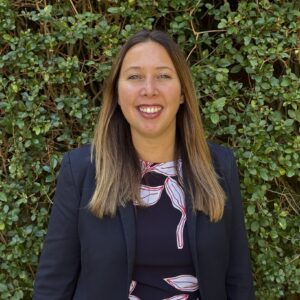 “It’s the best thing I’ve ever worked on,” says Crystal Waldmeyer, Senior Deputy Head Academic and the passionate architect of The Learning Orchard. “After 20 years in teaching, it reminded me why I fell in love with education in the first place.”
From fragments to connections
The curriculum’s roots lie in a moment of challenge. When two schools joined together, the attempt to fuse their existing programmes felt fragmented. Supported by Dukes Education Managing Director, Libby Nicholas, Crystal and her team decided not simply to refine what they had, but to start afresh.
They embarked on a summer-long journey of research, drawing inspiration from educational thinkers like E.D. Hirsch and Guy Claxton, as well as pioneering schools around the world from Bali’s Green School to the innovation-led classrooms of Europe.
The result was a curriculum built on four clear and deliberate principles: broad knowledge, rich skills, holistic connections, and leadership. Together, these are designed to equip children not just for academic success, but to make a positive contribution to the world as they grow.
“Every single thing we’ve included is there for a reason,” Crystal explains. “Nothing is an add-on. Everything is deliberate and meaningful.”
Knowledge and know-how
A defining strength of The Learning Orchard is its refusal to position knowledge and skills as competing priorities. Instead, it powerfully values both, recognising that deep understanding and the ability to apply it are inseparable.
The curriculum takes pupils on a carefully sequenced academic journey across continents, cultures and historical eras between Year 1 and Year 6. But it’s far more than a map of facts and dates. Children don’t simply acquire information, they are taught to think like geographers, historians, and scientists, developing disciplinary habits of mind alongside subject knowledge.
This emphasis on a broad, knowledge-rich curriculum is a conscious response to the modern assumption that information can simply be ‘looked up’ on Google or generated by AI.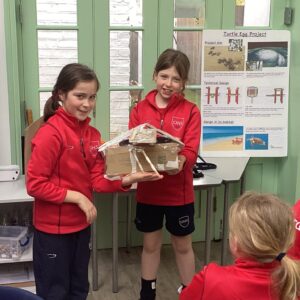 Research undertaken during the curriculum’s development reinforced the importance of cultivating intellectual curiosity by giving children a rich foundation of knowledge.
As children enquire as scientists, historians and geographers, they are simultaneously building powerful schemas – structures that help them organise new information, make meaning more efficiently and deepen understanding over time. The evidence was clear: that the more a child knows, the more confidently they can think critically, read with fluency and inference, and engage with complex ideas.
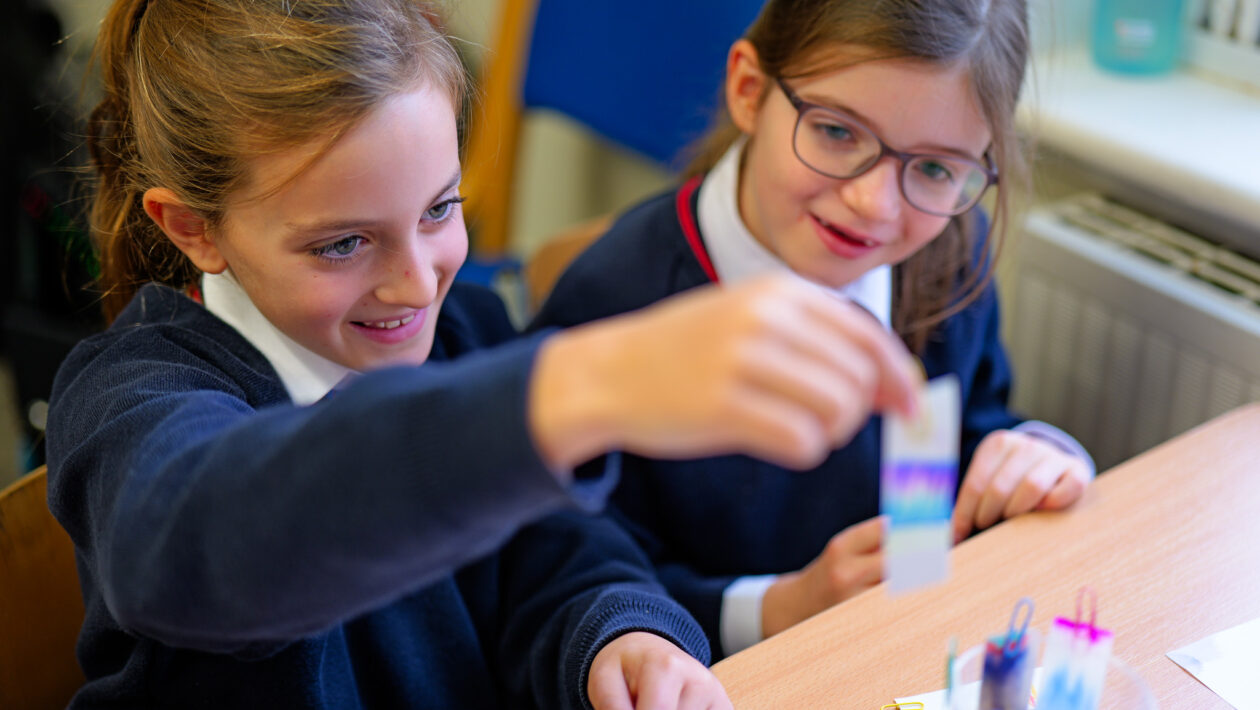
Alongside this strong knowledge base, equal emphasis is placed on the skills required to apply learning in meaningful ways. Weekly STEM sessions, for example, move beyond traditional experiments to focus on real-world problem solving. Pupils might design flood-resistant homes for Pacific communities or explore sustainable energy solutions, applying scientific understanding with creativity and purpose.
“We want our pupils to see themselves as problem-solvers and future change-makers,” Crystal explains. “Knowledge gives them confidence; skills give them agency. One is not more important than the other.”
Holistic learning – making meaning across disciplines
An aspect of The Learning Orchard that has resonated particularly strongly with teachers is its commitment to holistic learning. Staff have worked intentionally to create opportunities for children to link skills and knowledge across subjects, allowing learning to feel connected, purposeful and alive.
Rather than experiencing subjects in isolation, pupils are encouraged to make links between disciplines – seeing how history informs geography, how science intersects with ethics, or how literacy supports understanding across the curriculum. This interconnected approach helps children contextualise their learning and see its relevance beyond the classroom.
Teachers report that this holistic model has transformed classroom culture. Lessons are characterised by higher engagement, deeper discussion, and growing confidence, as children recognise patterns, draw connections, and take ownership of their thinking.
“This approach is central to the joy we now see in lessons,” Crystal notes. “Children feel secure because learning makes sense. They understand not just what they are learning, but why.”
Communication with compassion
Integral to The Learning Orchard is its emphasis on oracy and philosophy. Weekly Philosophy for Children sessions invite children to debate ethical questions, explore multiple perspectives and think critically about the world around them. Oracy circles further support children in articulating ideas clearly, listening actively, and responding with empathy.
“If children can articulate themselves and appreciate different perspectives, they’re better prepared for life,” Waldmeyer reflects. “It’s about growing thinkers who are kind, curious, and confident.”
Reading for Pleasure, Learning for Life
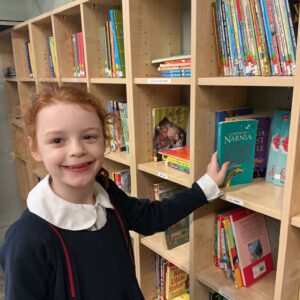 In parallel, the Reading Scholar Programme has become a school-wide celebration of great literature. Using a carefully curated points-based reading list that spans from Anne of Green Gables to The Hobbit, pupils collect credits for reading and discussing books, earning coveted Reading Scholar badges.
Parents have embraced the initiative, often reading alongside their children and rediscovering favourite books together, sparking dinner-table and bedtime conversations about characters and themes.
“We wanted to bring families into the joy of reading,” Waldmeyer says. “It’s about creating lifelong readers, not just exam-ready pupils.”
Balancing tradition and innovation
While innovation lies at the heart of The Learning Orchard, its foundations remain firmly rooted in academic excellence. Core subjects are taught with depth and precision, but the approach is modern, mindful, and screen-light. Homework is purposeful and creative, from open-ended research projects to practical take-home tasks that encourage curiosity without overburdening families.
The school’s ongoing adoption of High Performance Learning (HPL) principles adds another layer of depth, empowering teachers and pupils alike to embrace growth mindsets and challenge the limits of what’s possible.
“We no longer talk about ‘ability,” Crystal says. “We talk about performance – about helping every child grow their potential.”
Purposeful, creative, connected
Although still in its early stages, the impact of The Learning Orchard is already evident. Pupils are more articulate, confident, and engaged. Senior schools praise their independence and love of learning. The latest Independent Schools Inspection report from this academic year noted the school’s “purposeful, creative and connected” learning environment.
For Crystal, however, the most powerful change is cultural.
“The Learning Orchard has unified us as a staff,” she reflects. “It’s brought us back to the heart of education – preparing children not just for exams, but for life.”
As other schools look on with curiosity, Orchard House stands proudly ahead of the curve as a living example that when you plant the right ideas, the results can be extraordinary.
Visit Us